Food Insecurity
Food insecurity, or the lack of access to enough nutritious food, can have serious consequences on people’s health and well-being. People who experience food insecurity are more likely to experience malnutrition and chronic conditions like heart disease and diabetes.
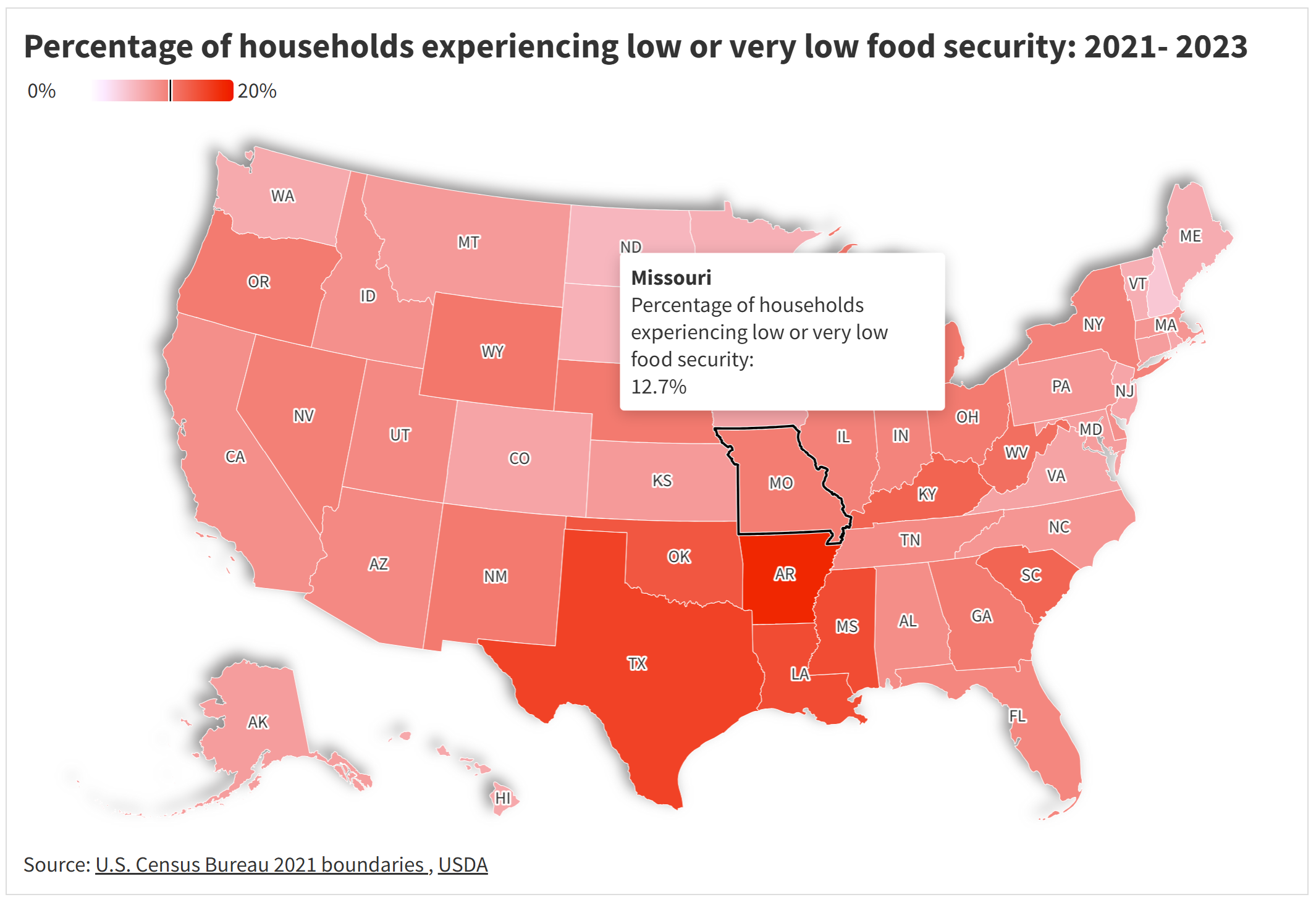
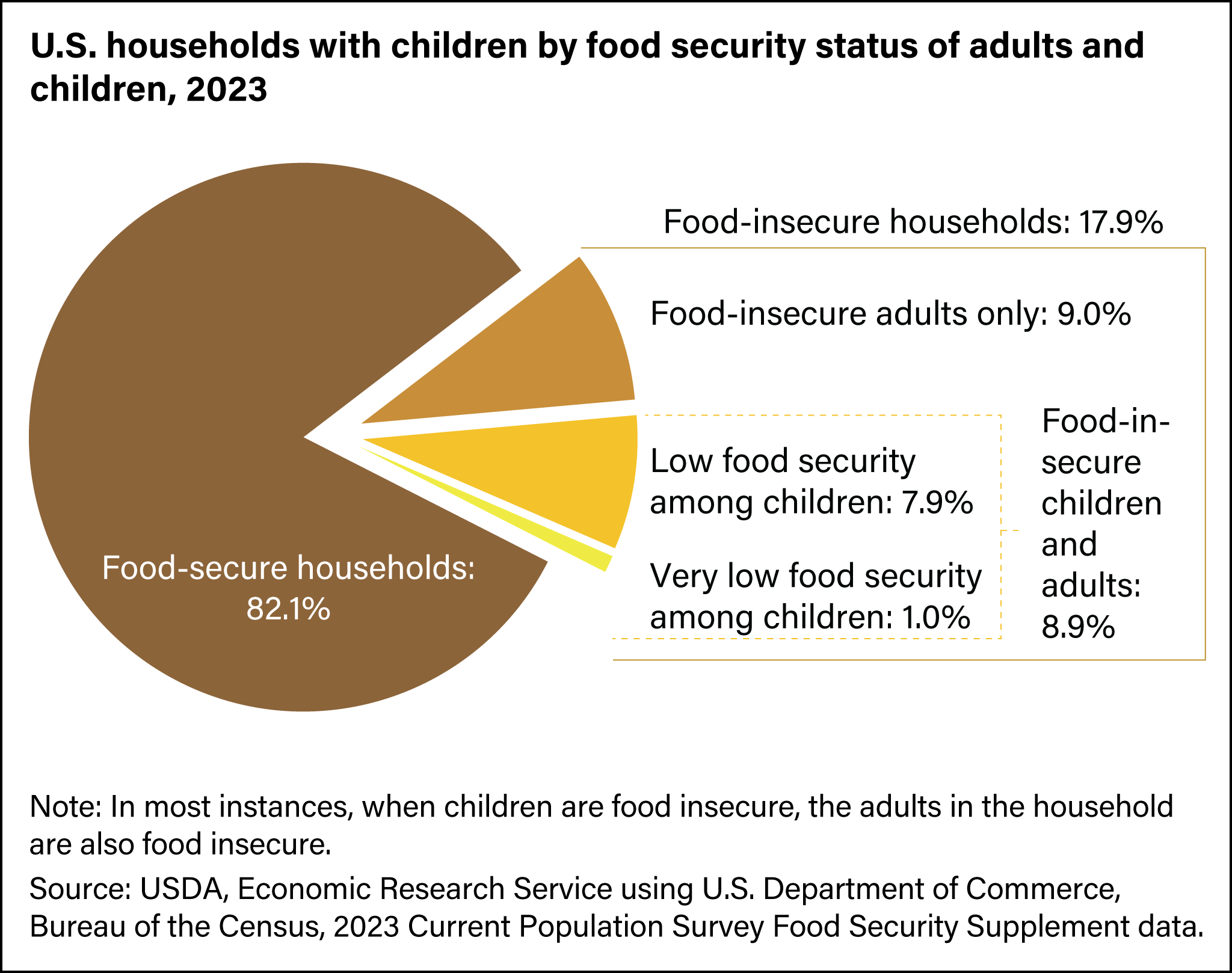
The USDA report reveals that 13.5% of households in the U.S. experienced food insecurity in 2023, an increase from 12.8% in 2022. Among those affected, children remain particularly vulnerable, with 13.8 million children living in food-insecure households.
Impact on the Children
Prenatal Health: Food insecurity experienced during pregnancy can lead to adverse effects for both the pregnant person and child, including increased nutritional deficiencies, preterm labor, low birth weight and birth defects.
Child Development: Poor nutrition can lead to increased absorption of toxins, including lead, which can impact child development. Proper nutrition may mitigate the potential impacts of lead poisoning.
Diet-Sensitive Diseases: People experiencing food insecurity are at greater risk of diet-related diseases like obesity and cardiometabolic disease, including diabetes, hypertension and stroke. Such diseases can often be mitigated by a healthier diet.
Social, Emotional and Mental Health: Food insecurity is associated with adverse social, emotional and mental health outcomes among children, including symptoms of depression, externalizing and internalizing behaviors, and hyperactivity, as well as psychological distress, which can include worrying about not having enough food or their parents’ well-being, anger, embarrassment or sadness related to their family’s food situation. Limited research also suggests that the stressors related to food insecurity can increase children’s risk for behavioral and emotional problems. Notably, food insecurity can negatively affect the mental health of parents and caretakers, which can in turn negatively impact their children.
Health Care Access: One study demonstrated that children in food-insecure households had a nearly 180% higher rate of foregone medical care and 26% higher rate of emergency room utilization.
ECHO was started in 2010 by a group of UCM students who were in a combined class of Entrepreneurship (Dr. Mary McCord) and Social Work (Dr. Marlys Peck). This group of students were tasked with starting, maintaining, and evaluating outcomes for a program that would meet a need within our community.
When in the beginning stages of planning they discovered that the greatest impact that they could have would be to provide weekend supplemental foods for area preschool children. After a successful semester, the students were ready to move on, but felt strongly about the impact that ECHO was having in our community. While, at the time, they were serving 50 students a week, they knew that one in five children in Johnson County are food insecure. They presented ECHO to the First Presbyterian Church of Warrensburg and FPC accepted responsibility of the program as a mission with Dr. McCord as the Director.
Since then ECHO has established a Board of Directors, become a nonprofit 501c3 organization and Harvesters agency, designed a new logo and website, and expanded our reach by serving 120 students weekly through 8 area daycare agencies. ECHO’s tagline reminds us daily of our mission,
“…because hunger doesn’t take the weekend off!”

We have supporters throughout our community, packing and distributing food, and conducting food drives and fundraisers.
ECHO would will forever be grateful for everyone that have supported us throughout the years. And a special thank you to our biggest supporters, Hank and Marilyn Hamann. Without your support, we would not be where we are today and able to help those in need.
Contact us
Please feel free to reach out to us with any questions your may have about how you can help us, help the children in our community.